
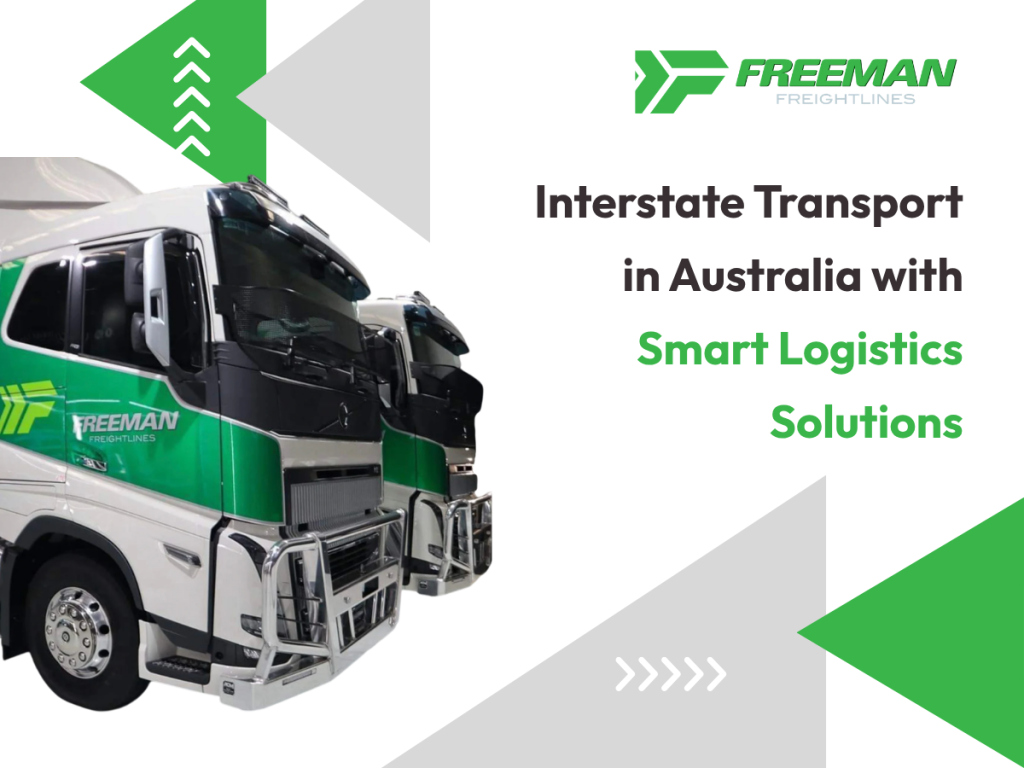
Australia’s freight network plays a critical role in keeping businesses connected across states, regions, and major distribution hubs. From retail and manufacturing to agriculture and construction, nearly every industry depends on reliable freight movement to maintain operations and meet customer demand.
However, managing long-distance freight across Australia comes with its own set of challenges. Distance, scheduling, compliance, and operational coordination can all affect delivery performance if not managed properly.
This is why structured interstate transport systems are essential for modern supply chains. At Freeman Freightlines, we understand that successful logistics operations rely on planning, communication, and efficient freight management from start to finish.
Let’s explore some of the most common interstate freight challenges businesses face, and the practical solutions that help keep logistics operations running smoothly across Australia.
Long Distances and Route Complexity- One of the biggest challenges in interstate transport is Australia’s vast geography. Freight often travels thousands of kilometres between states, moving through metropolitan areas, regional highways, and remote routes.
Long distances increase fuel costs, transit times, and exposure to weather disruptions or road delays. Without careful route planning, delivery schedules can quickly become unreliable.
The solution lies in structured route management and scheduling. Professional interstate trucking operations focus on route optimisation, planned departure times, and efficient freight consolidation to reduce unnecessary delays.
When routes are carefully managed, businesses benefit from more predictable delivery timelines and improved supply chain reliability.
Delivery Delays and Scheduling Issues- Delays are one of the most common frustrations in freight logistics. Missed dispatch windows, warehouse hold-ups, or poor communication between teams can disrupt the entire supply chain.
In many cases, delays begin before freight even leaves the warehouse. Poor staging or last-minute scheduling changes create inefficiencies that impact transport performance.
Effective transport relies on coordination between warehousing and freight operations. Structured loading schedules, organised dispatch systems, and clear communication help ensure freight is ready when vehicles arrive.
Reliable service providers also use fixed schedules rather than reactive planning. This creates greater consistency and reduces the risk of avoidable delivery disruptions.
Compliance and Regulatory Challenges- Freight movement across state borders involves strict regulations covering fatigue management, vehicle compliance, load restraint, and documentation requirements.
Failure to meet these obligations can lead to fines, shipment delays, or operational interruptions. Compliance issues also create reputational risks for businesses relying on freight delivery performance.
Strong transport operations prioritise compliance at every stage. This includes trained drivers, structured safety procedures, and accurate documentation handling.
Professional interstate trucking providers understand how to navigate state-based requirements while maintaining safe and efficient freight movement across Australia.
Rising Operational Costs- Fuel prices, vehicle maintenance, labour expenses, and toll charges continue to impact freight operations nationwide. Businesses looking to reduce costs often face pressure to balance affordability with reliability.
However, choosing the cheapest freight option can create larger problems through delays, poor handling, or inconsistent service quality.
The practical solution is operational efficiency. Efficient interstate transport focuses on route optimisation, vehicle utilisation, and reduced idle time to control costs without compromising reliability.
Well-planned interstate trucking operations also minimise unnecessary handling and improve freight flow, helping businesses manage logistics expenses more effectively over time.
Freight Damage and Handling Risks- Long-distance freight movement increases the risk of product damage if loads are not secured correctly. Poor handling during loading or unloading can also impact freight integrity.
Damaged freight creates additional costs through returns, replacements, and customer dissatisfaction.
To reduce these risks, professional interstate transport providers use structured loading procedures, pallet management systems, and trained handling teams. Freight should be secured according to load type and transport conditions.
Strong interstate trucking practices ensure goods remain stable and protected throughout the journey, reducing damage rates and improving delivery quality.
Communication and Visibility Gaps- Businesses today expect visibility across the supply chain. Without proper communication, it becomes difficult to track freight progress, manage inventory planning, or respond to customer enquiries.
Poor communication between transport providers, warehouses, and customers often leads to confusion and operational inefficiencies.
Integrated interstate transport systems improve visibility through structured scheduling and proactive coordination. Businesses benefit from clearer delivery expectations and better operational planning.
Reliable interstate trucking is not just about moving freight, it’s about maintaining consistent communication throughout the transport process.
Conclusion
Interstate freight movement across Australia is complex, but with the right systems and planning, those challenges can be managed effectively. From route optimisation and compliance to scheduling and communication, every part of the logistics process plays a role in improving operational efficiency.
At Freeman Freightlines, we deliver dependable interstate transport and trucking solutions designed to support smoother logistics operations across Australia. With our focus on reliability, coordination, and structured freight management, we help businesses reduce delays, improve efficiency, and keep their supply chains moving with confidence.
FAQs
1. What is interstate transport?
It refers to the movement of freight between different states within Australia using organised logistics networks.
2. What are the biggest challenges in interstate freight operations?
Long distances, scheduling delays, compliance requirements, and rising operational costs are common challenges.
3. How can businesses reduce freight delays?
By improving warehouse coordination, planning dispatch schedules, and working with reliable freight providers.
4. Why is route optimisation important in interstate trucking?
It helps reduce transit time, fuel costs, and unnecessary delays.
5. How does compliance impact interstate transport?
Compliance ensures freight operations meet legal safety and transport regulations, reducing risks and disruptions.
6. Why is communication important in logistics operations?
Clear communication improves visibility, delivery coordination, and customer satisfaction.
7. How do businesses choose the right interstate trucking provider?
They should look for reliability, operational experience, compliance standards, and structured transport systems.